
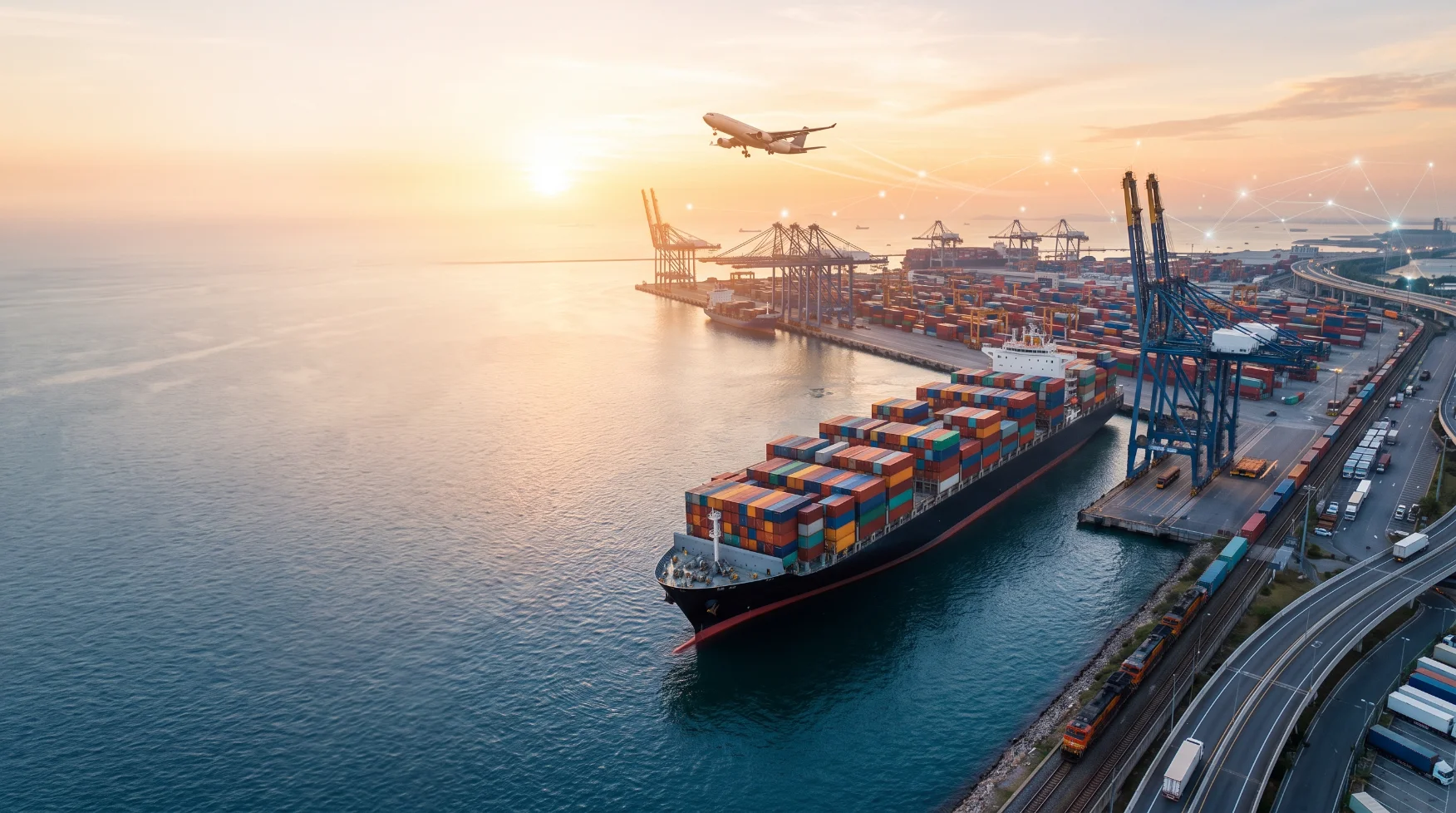

If you've been shipping to Port Moresby for a while, you'll remember when containers came over the old town wharf. Since 2018, international containers for the capital have gone through Motukea International Terminal instead, a few kilometres west of the city on Motukea Island.
This guide explains how the terminal fits into the import chain and how to plan collection. It's part of our complete guide to shipping from Australia to PNG.
Key points
- Motukea International Terminal is the only terminal in Port Moresby that handles international containers.
- The relocation from the old Port Moresby wharf to Motukea Island was completed in February 2018.
- The terminal is operated by Motukea International Terminal Limited, a subsidiary of ICTSI, under a 25-year agreement with PNG Ports Corporation.
- It sits about 12 kilometres from Port Moresby's CBD.
- Cargo is released only after Customs, NAQIA, the shipping line and the terminal are all satisfied.
Background
PNG Ports Corporation, the state-owned port authority, signed 25-year agreements with two subsidiaries of the Philippines-based global port operator ICTSI: Motukea International Terminal Limited for Port Moresby, and South Pacific International Container Terminal Limited for Lae. The plan was for the new port at Motukea to take over all the port and shipping activity previously handled at the old Port Moresby wharf.
The relocation was completed in February 2018. The new 8.6-hectare facility is now the only terminal in Port Moresby that can handle international containers, and the terminal handles international container and general cargo vessels calling at the capital. The old town port area has since been earmarked for redevelopment as a business, retail and residential precinct.
For importers in the capital, that makes sea freight to Port Moresby synonymous with Motukea. If your cargo is actually bound for Lae or the Highlands, read our guide to choosing between Port Moresby and Lae before you book, because there's no road between the two cities.
How your container moves through the terminal
- Discharge. The vessel arrives and containers are discharged to the yard. The free-time clock for storage and demurrage usually starts here.
- Holds. Containers can be under Customs, NAQIA or shipping line holds until clearance and payment are complete.
- Clearance. Your broker lodges the import entry, duty and GST are paid, and any inspections take place.
- Delivery order. The shipping line's agent releases the cargo once freight is paid and the bill of lading is surrendered or released.
- Terminal charges. Storage and any other terminal charges are paid.
- Gate-out. Your transport company collects the container, and the detention clock starts if it's a shipping line box.
- Empty return. The empty container is returned to the designated park within the detention free time.
Our step-by-step guide to PNG customs clearance covers the clearance stage in detail.
Planning collection
- Send all documents to your broker before the vessel arrives, so clearance can start on discharge.
- Confirm the free time with your shipping line, and when storage starts at the terminal.
- Pay freight and destination charges early, so the delivery order is ready when Customs releases the cargo.
- Book trucks in advance, particularly at busy times and for heavy or oversized cargo.
- Plan secure delivery and unpacking, especially for high-value goods.
- Know where the empty has to go back, and allow for it in your detention free time.
For the charges that build when cargo waits, see our guide to PNG destination charges, demurrage and detention.
Fees and paying them
Terminal charges at Motukea are separate from the shipping line's destination charges. The terminal charges for handling and storage; the line, through its agent, charges for the delivery order, documentation and container use beyond free time. Your broker or forwarder can usually pay them on your behalf and pass them on, which saves time at release.
Port fees in PNG have historically been charged in kina, while some line charges may be quoted in other currencies, so check the currency on every invoice when you budget.
Avoiding problems at Motukea
Most delays at the terminal aren't caused by the terminal at all. They come from missing documents, unpaid charges, permit problems or inspection holds. Each extra day adds storage and possibly demurrage. Our guide to why cargo gets held in PNG ports lists the common causes and how to prevent them.
Vehicles have a deadline
PNG Customs warns that vehicles left at a Customs wharf for more than 30 days are forfeited to the State. If you're importing a vehicle through Motukea, have funds and documents ready before it arrives.
Frequently asked questions
Do international containers still go through the old Port Moresby wharf?
No. Since 2018, international containers for Port Moresby have been handled at Motukea International Terminal on Motukea Island.
How far is Motukea from Port Moresby's city centre?
About 12 kilometres.
Who operates Motukea International Terminal?
Motukea International Terminal Limited, a subsidiary of the global port operator ICTSI, under a 25-year agreement with PNG Ports Corporation.
Part of our complete guide
This article is one step in Shipping from Australia to PNG: The Complete Guide. Other guides in the "arrival, fees, and delivery" stage:
This guide is general information, current at the date of last review. Rates, schedules, duty rates and procedures change, so confirm the details of your shipment with a licensed freight forwarder or customs broker before you act.