
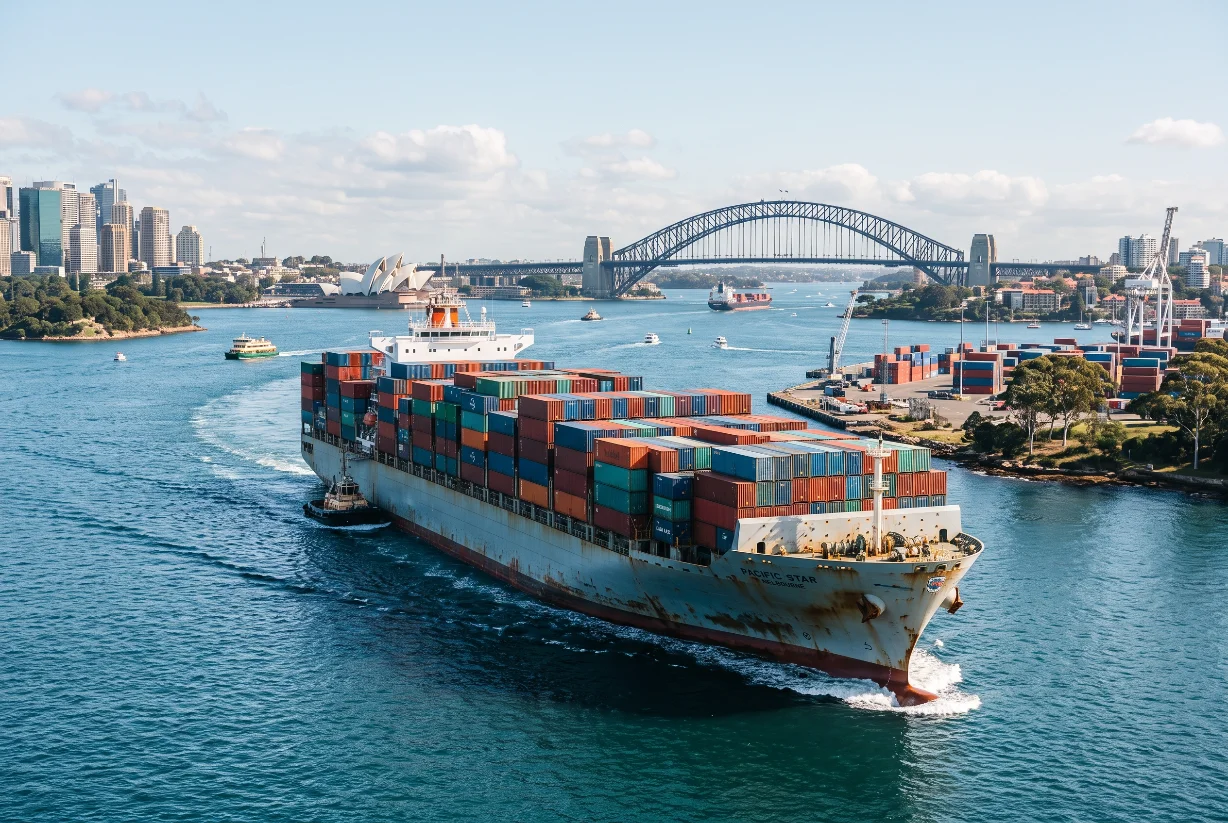
Complete guide
Shipping from Australia to PNG: The Complete Guide
Everything you need to move freight from Australia to Papua New Guinea, from choosing sea or air and the right port to clearing PNG Customs and delivering to the Highlands.
Australia to PNG shipping guides
Fact-checked information on moving cargo from Australia to Papua New Guinea by sea and air, written by people who have worked the lane. Ports, paperwork, costs and delivery, from Brisbane departures to Port Moresby, Lae, the Highlands and the islands.
What we cover, who we are, and how to get the most from these guides before you book a shipment.
What
We cover the whole journey from Australia to Papua New Guinea: sea and air freight, export paperwork, PNG customs and duty, biosecurity, ports and final delivery. Whether you're weighing up options for shipping from Brisbane to PNG or sending a few boxes from Sydney, the same essentials apply, and each one has its own guide.
About
Our guides are written and reviewed by contributors with hands-on freight and logistics experience, and checked against PNG Customs, NAQIA and Australian Border Force sources before they're published. The aim is simple: help importers, exporters and families understand the PNG lane before they commit.
More about usHow
Begin with the complete guide for the big picture, then open the guide for the step you're facing. If your consignee is in the capital, compare providers of sea freight to Port Moresby on routing and destination charges, then read how the Motukea terminal works. For the Highlands, start with choosing between Port Moresby and Lae.
Find the PNG guide you need, organised around the decisions shippers actually face.
What shipping to PNG costs, and how to compare door-to-door quotes.
Start with: Shipping costs
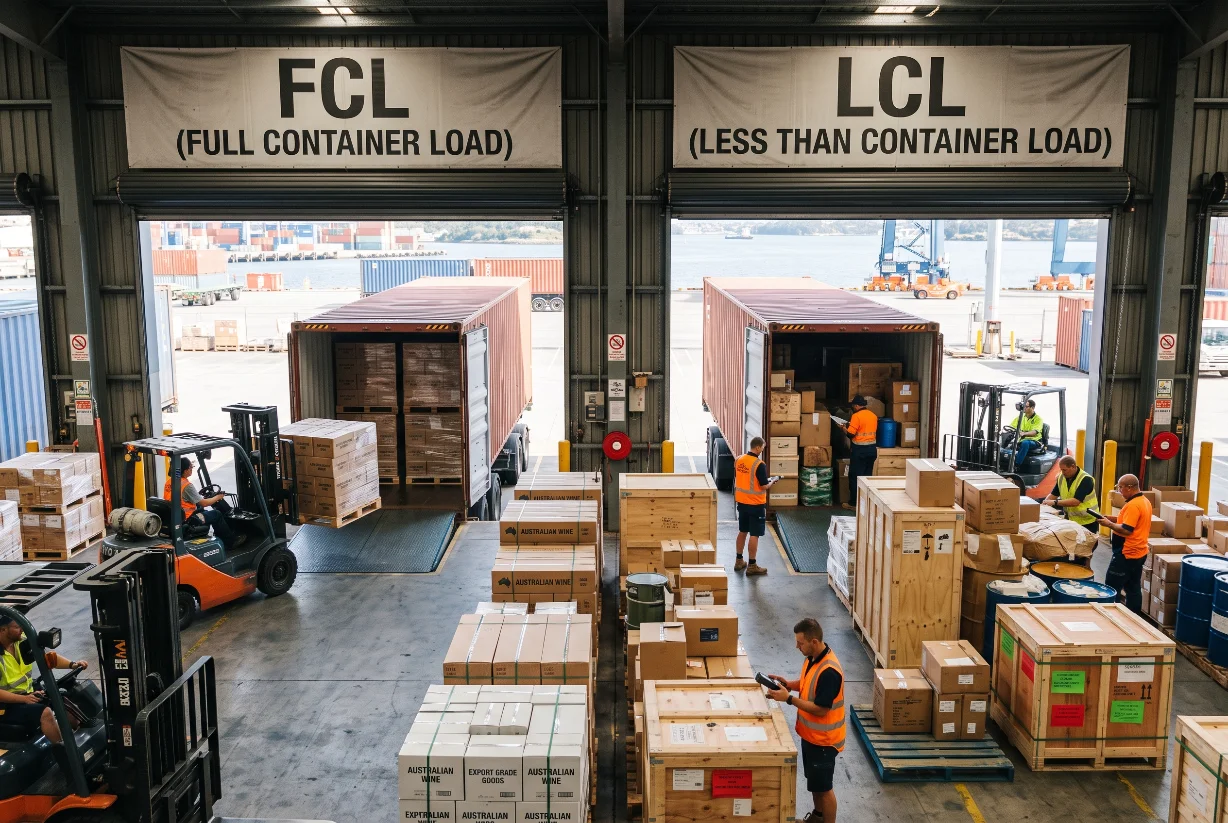
FCL and LCL to Port Moresby and Lae, and choosing the right container.
Start with: FCL or LCL
Flying cargo to Jacksons International Airport, and when it beats sea.
Start with: Air freight
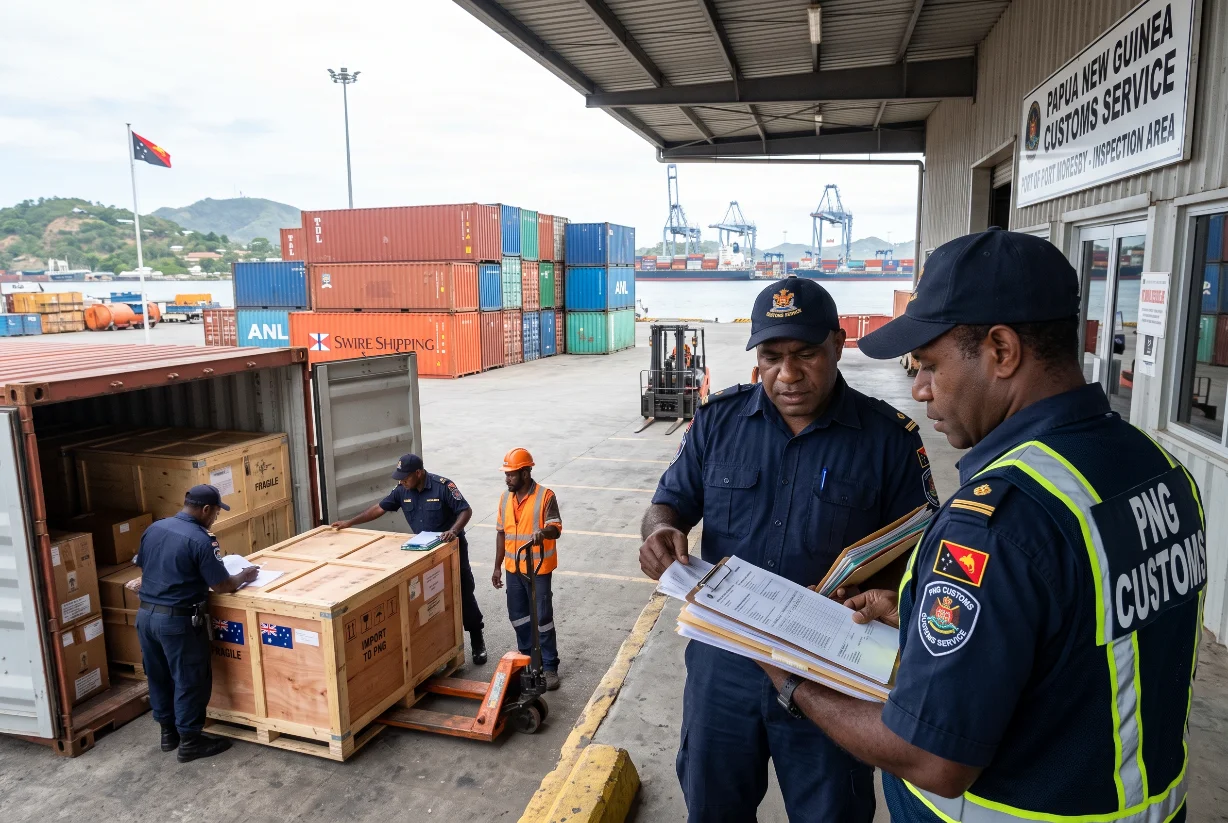
Export paperwork, ASYCUDA World clearance, duty and GST.
Start with: PNG customs clearance
NAQIA permits, ISPM 15 and what PNG won't accept.
Start with: NAQIA biosecurity
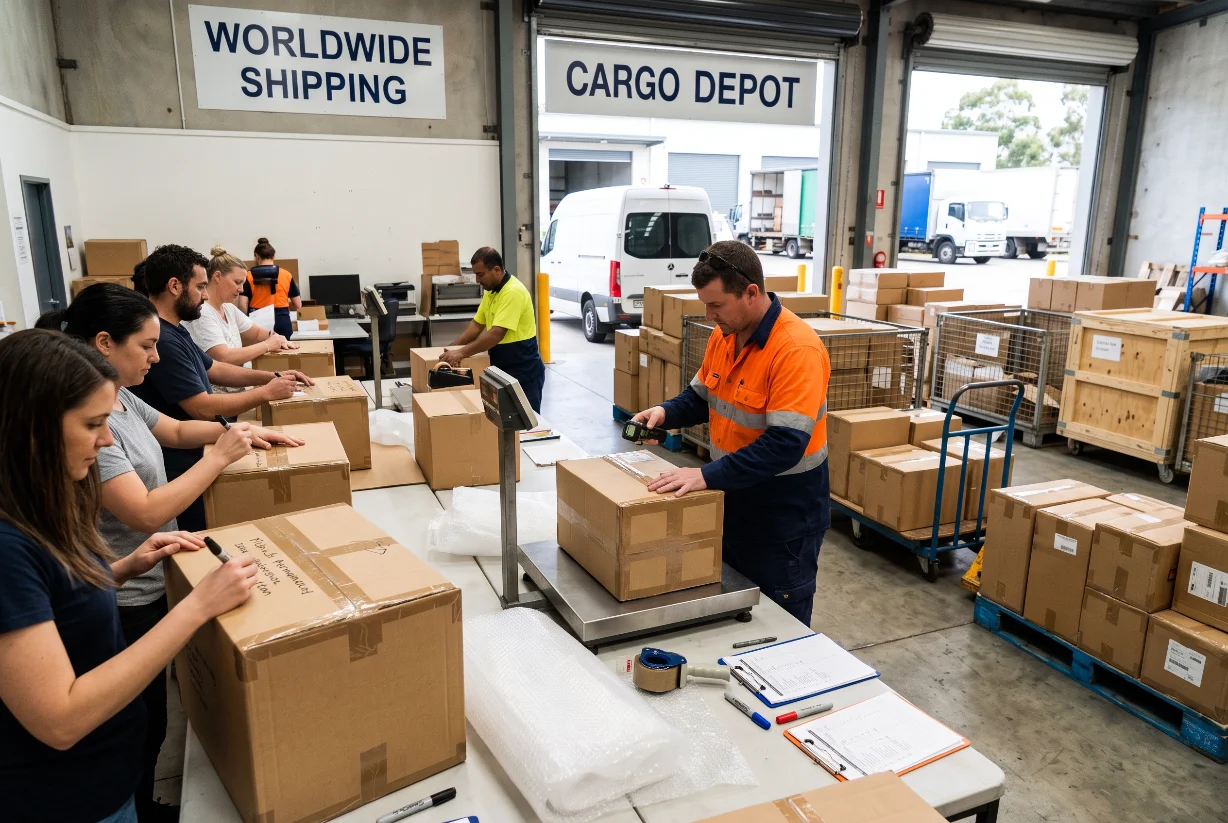
Relocations, personal effects and boxes for family in PNG.
Start with: Moving to PNG
Cars, utes, machinery, mine supplies and food.
Start with: Shipping a car
Port Moresby, Lae, regional ports and the Highlands.
Start with: Port Moresby or Lae
New and updated guides from our PNG shipping desk.
Vehicles
How to ship a car from Australia to PNG, including container vs RoRo, import duty and GST, cleaning for biosecurity, and the paperwork you need.
Project cargo
How heavy machinery and oversized cargo moves from Australia to PNG's resource projects, from flat racks and lifting plans to site delivery.
Cold chain
How to ship chilled and frozen food from Australia to PNG in reefer containers, including NAQIA import permits, temperature control, and transit planning.
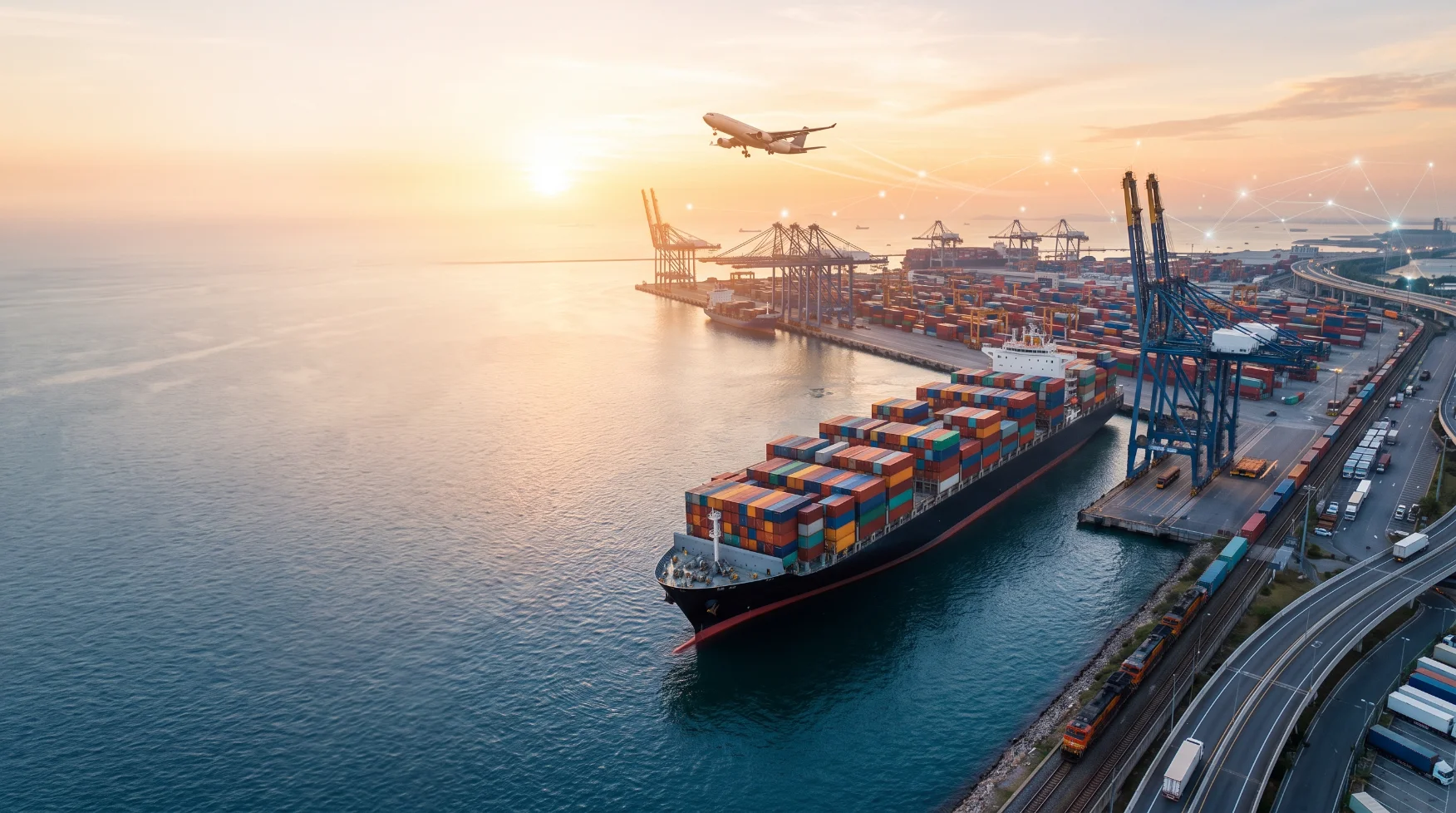
Relocation
How to ship household goods from Australia to PNG, who qualifies for duty-free personal effects, the documents you need, and how to avoid delays.
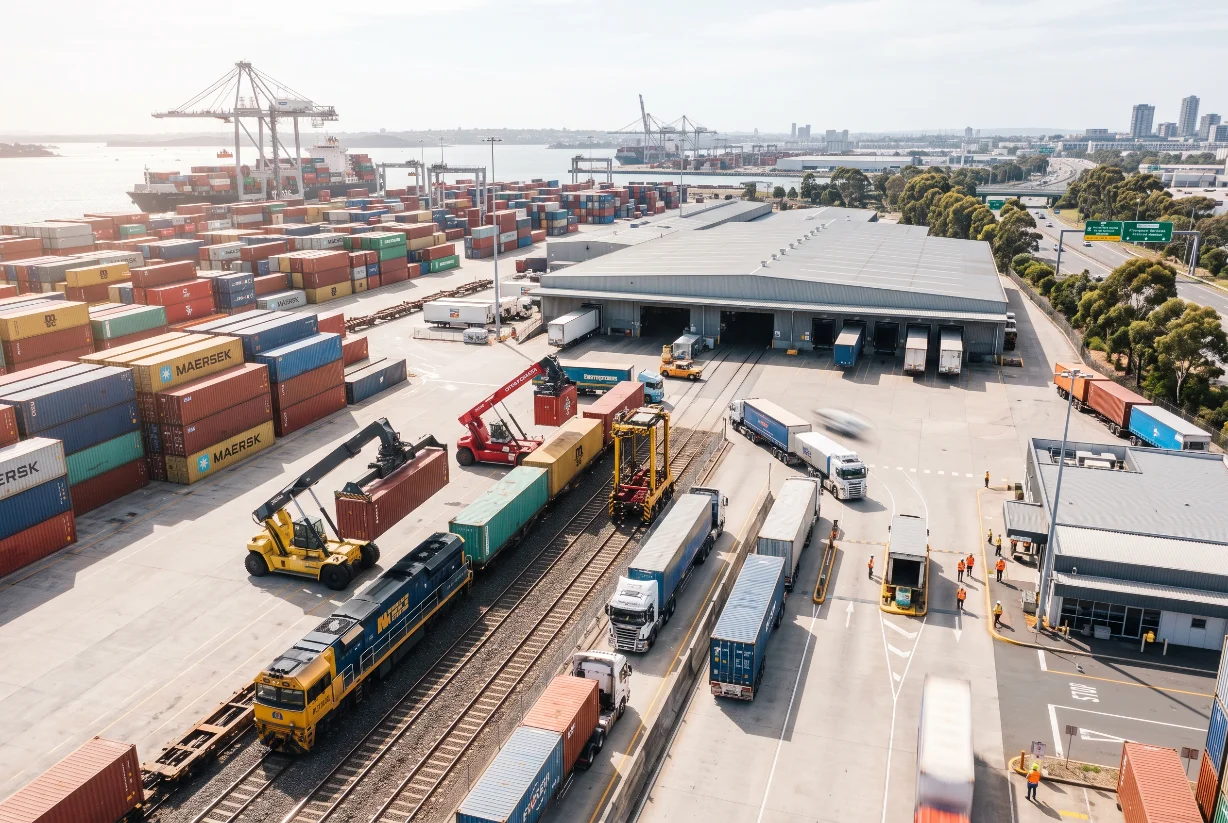
Container options
Compare full and shared container shipping from Australia to PNG on cost, transit, and risk, plus which container types suit reefer and oversized cargo.
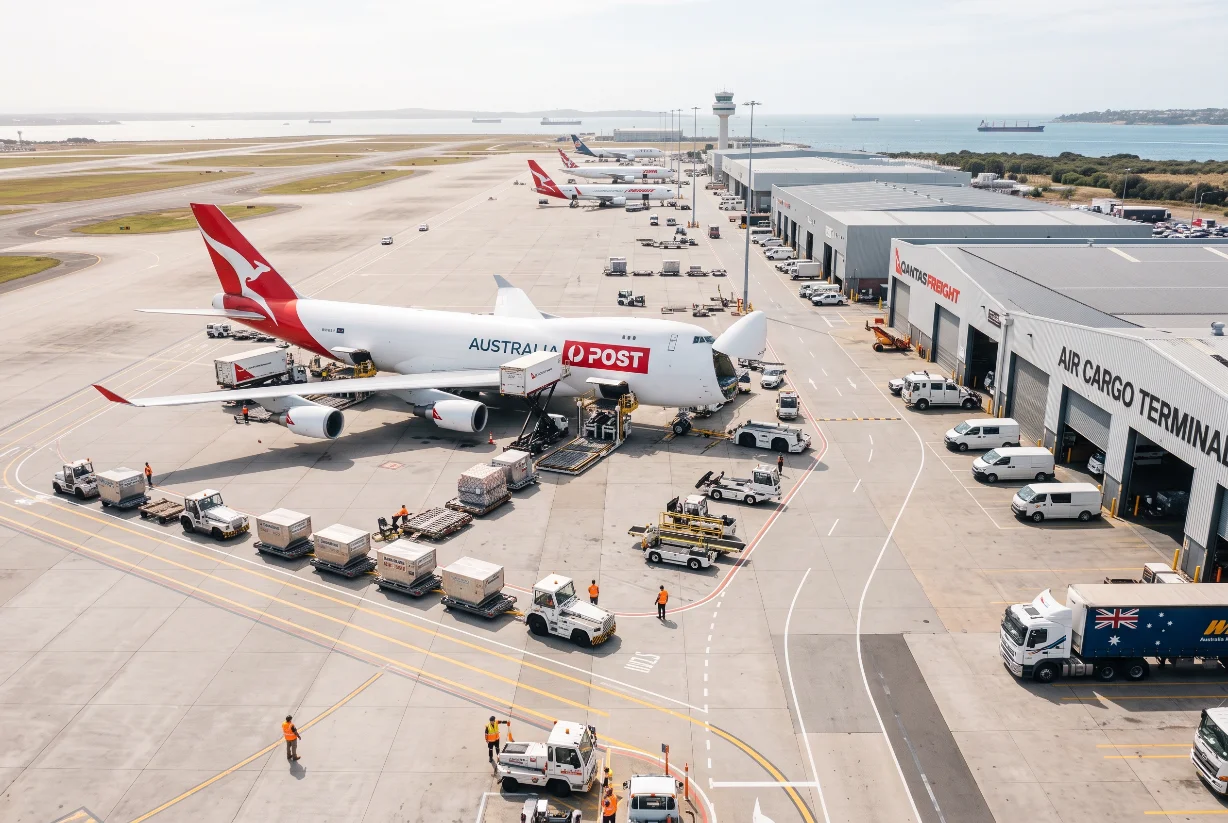
Air freight
How air cargo moves from Brisbane, Cairns, and Sydney to Port Moresby's Jacksons Airport, how chargeable weight is priced, and when air beats sea.
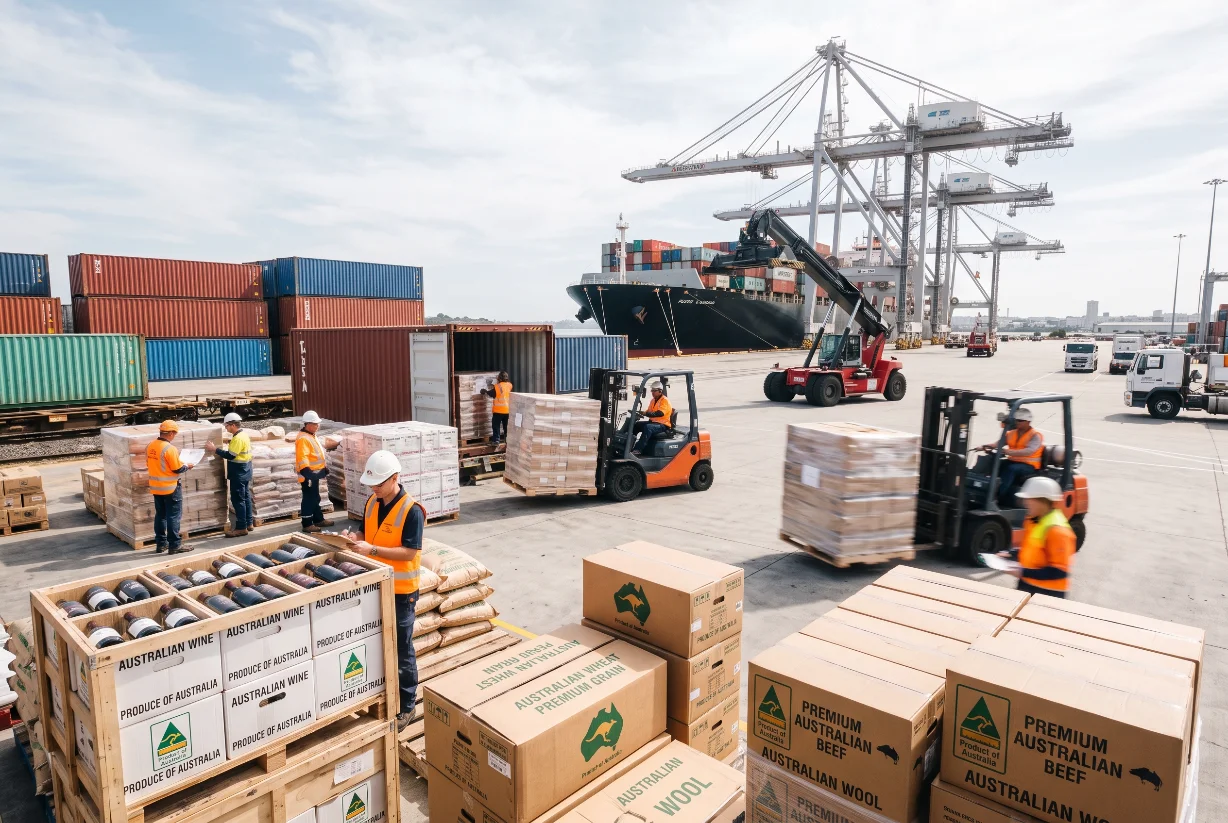
Destination charges
The charges you pay when sea freight arrives in Port Moresby or Lae, including terminal handling, storage, demurrage, and detention, and how to cut them.
Delays
The most common reasons cargo is held in Port Moresby and Lae, from document errors to biosecurity holds and unpaid fees, and how to prevent each one.
Parcels
Compare courier, post, and consolidated sea freight for sending boxes and parcels from Australia to family or colleagues in PNG, with tips to cut costs.
Biosecurity
What PNG's NAQIA requires for imported cargo, from import permits and fumigation to ISPM 15 wood packaging and inspections on arrival.
Export documents
Which Australian export declarations and shipping documents you need for cargo leaving for PNG, and when an export permit is required.
Regional PNG
How cargo from Australia reaches Rabaul, Madang, Kimbe, Wewak, and the Highlands, including transshipment, coastal shipping, and trucking from Lae.
Our PNG guides are written and reviewed by contributors with hands-on experience on the Australia to PNG lane, and checked before they're published.

Contributing editor
Freight and logistics analyst with 18 years in freight forwarding, hub operations and supply chain consulting.
View Arlo's profilePNG Customs, NAQIA and Australian Border Force rules, carrier information and port data.
Every article is checked for accuracy, clarity and balance.
Carriers and forwarders can't pay for coverage or influence our conclusions.
The essentials of the Australia to PNG lane, and which guide to read for your situation. Updated by Arlo Mitchell.
Papua New Guinea is Australia's closest neighbour, and the freight lane across the Coral Sea carries everything from mining machinery and building supplies to supermarket stock, household goods and boxes for family. It's a short voyage with some very particular rules.
This page is the starting point for our PNG shipping guides. Use it to find the right guide for your situation, check the essentials and get your bearings before you book.
Three things set the PNG lane apart from most destinations Australians ship to.
For the whole process from booking to delivery, read Shipping from Australia to PNG: The Complete Guide.
Most people shipping to PNG fall into one of a handful of situations. Start with the guide that matches yours:
| Port | Serves | Good to know |
|---|---|---|
| Port Moresby (Motukea International Terminal) | National Capital District and Central Province | The only terminal in the capital handling international containers since 2018, about 12 km from the CBD |
| Lae (South Pacific International Container Terminal) | Morobe, the Highlands provinces, and Madang by road | PNG's largest container port and the start of the Highlands Highway |
| Regional ports such as Rabaul, Kimbe, Madang, Wewak, Alotau and Kavieng | Island provinces and remote coasts | Some direct calls; many reached by transshipment through Lae or Port Moresby |
Choosing between the two main ports is the single most important decision on the lane. Our guide to Port Moresby or Lae explains how to decide, the Motukea terminal guide covers arrivals in the capital, and shipping to regional ports and the Highlands covers everywhere else.
Brisbane is the main departure point for PNG cargo, with regular container services to both Port Moresby and Lae, and it doubles as a relay hub for cargo coming from Asia. Cairns and Townsville are the closest Australian ports to PNG and have long supported the supply chains of PNG's mines and gas projects. Services also run from Sydney and Melbourne, though cargo often connects through Brisbane or another hub, which adds time.
Whichever port you leave from, the Australian paperwork is the same. The Australian Border Force sets out the rules on its export requirements page, and our guide to export declarations and documents for PNG explains what you need before the cargo reaches the wharf.
Most cargo goes by sea: it's far cheaper per kilo and handles almost anything, from a pallet to a haul truck. Air freight earns its place for urgent, small or high-value consignments, landing at Jacksons International Airport in Port Moresby. Both modes charge on weight or volume, whichever is greater, and airlines count each cubic metre as roughly 167 kilos, so bulky goods get expensive in the air quickly. See air freight from Australia to PNG for routes, pricing and dangerous goods rules.
Air freight usually arrives within a few days of booking. Sea freight takes from about a week to more than a month door to door, depending on the departure port, sailing frequency, transshipment and how quickly the cargo clears.
The one that serves your final destination. Port Moresby for the capital and Central Province, Lae for Morobe and the Highlands, and a regional port for the islands and remote coasts.
For a formal import entry, yes. The importer nominates a licensed customs broker, who lodges the declaration through ASYCUDA World.
Yes, by post, courier or consolidated sea freight. Check PNG's prohibited items first, as some everyday foods can't be posted, and declare the contents and value honestly.
This overview is general information, current at the date of last review. Rates, schedules, duty rates and procedures change, so confirm the details of your shipment with a licensed freight forwarder or customs broker before you act.
Ask our editorial team a question about the Australia to PNG lane, or suggest a topic for a future guide.