
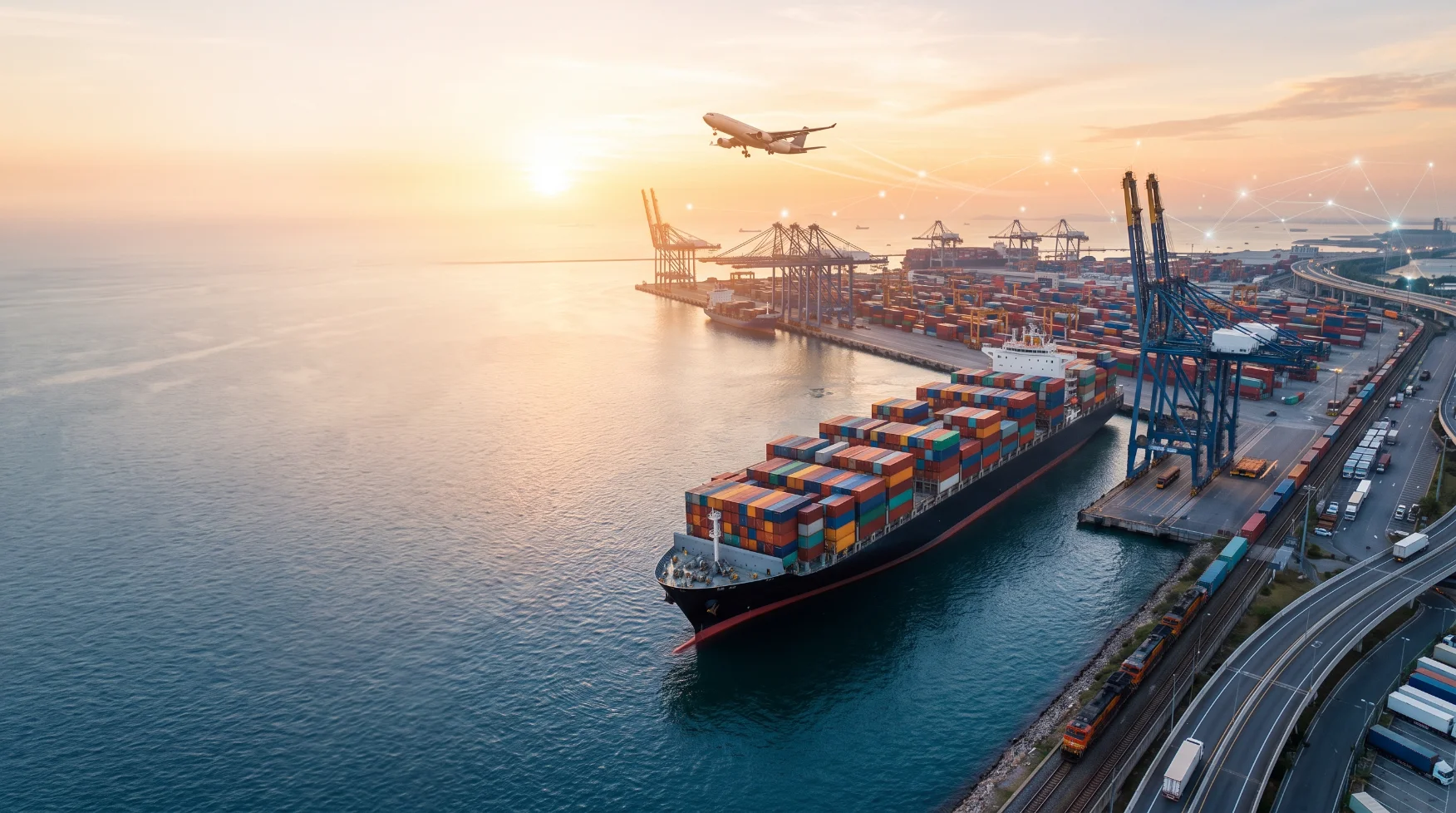

Most sea freight to PNG moves in containers, and the first decision is whether you need one to yourself. Getting it right affects the price, the transit time and how much handling your goods go through before they reach the buyer.
This guide explains how full container load (FCL) and less than container load (LCL) shipping work on the Australia to PNG lane, where the break-even point usually sits, and which equipment suits different cargo. For the wider picture, see our complete guide to shipping from Australia to PNG.
Key points
- LCL suits small volumes: you pay per revenue tonne but accept consolidation waits and extra handling.
- FCL suits larger, valuable or time-sensitive cargo: the container is sealed at origin and opened at destination.
- Once your cargo is more than about half a 20-foot container, roughly 14 to 15 cubic metres, compare an FCL price.
- Refrigerated containers, flat racks and open tops handle cargo that doesn't suit a standard box.
- FCL brings detention charges if you keep the container too long while unpacking.
How FCL and LCL work
Full container load
With FCL, you book a whole container. It's delivered to your premises or a packing depot, loaded, sealed and taken to the wharf. At the other end it's cleared, collected and opened by the consignee. Nobody else's cargo shares the box, and the seal number on the bill of lading shows it hasn't been opened in transit unless Customs or NAQIA inspect it.
Less than container load
With LCL, you deliver your pallets or cartons to a consolidator's depot, often in Brisbane for PNG cargo. The consolidator fills a container with cargo from several shippers, ships it, and at destination the container is unpacked at a depot so each consignee can collect their goods. You pay only for the space you use, but your cargo depends on the whole container moving smoothly.
FCL and LCL side by side
| Factor | FCL | LCL |
|---|---|---|
| How it's charged | Per container, plus surcharges | Per revenue tonne (1 m³ or 1,000 kg, whichever is greater), usually with a minimum |
| Best for | Larger volumes, valuable or fragile goods, time-sensitive cargo | Small or occasional shipments, mixed pallets, trial orders |
| Handling | Packed once and opened once | Handled at the origin and destination depots |
| Timing | Moves on the next suitable sailing | Waits for consolidation; unpacking adds time at destination |
| Risk | Lower handling and pilferage risk | Can be held if another consignment in the box has a problem |
| After arrival | Detention applies if you keep the container too long | Collect from the depot; storage applies after free time |
Where the break-even point sits
A 20-foot container holds around 33 cubic metres, but real-world loading rarely uses all of it. As a rule of thumb, once your cargo is more than about half a 20-foot container, around 14 or 15 cubic metres, get an FCL price alongside the LCL quote. They're often closer than people expect, and FCL removes the consolidation wait and the risk of someone else's cargo holding yours up.
Remember to compare the full door-to-door cost, not just the freight. LCL has depot fees at both ends, while FCL has container park and detention exposure. Our guide to what shipping from Australia to PNG costs explains how to line up quotes on the same basis.
Container types for PNG cargo
| Container | Typical use | Approximate internal volume |
|---|---|---|
| 20-foot general purpose | Household moves, heavy dense goods, single vehicles | About 33 m³ |
| 40-foot general purpose | Retail stock, building materials, two vehicles | About 67 m³ |
| 40-foot high cube | Light, bulky goods that need extra height | About 76 m³ |
| Refrigerated (reefer) | Chilled and frozen food, temperature-sensitive goods | Slightly less than a standard box of the same length |
| Flat rack | Machinery, vehicles and pieces too wide or tall for a box | Open sides and top; limited by weight and lashing |
| Open top | Tall items loaded by crane from above | As a standard box, with a removable roof |
Payload limits matter as much as volume. Heavy cargo such as steel, tiles or machinery parts can reach the weight limit long before the container looks full, and road limits in both countries apply to the loaded container on a truck. For temperature-controlled cargo, see our guide to shipping refrigerated and food cargo to PNG, and for oversized pieces, shipping project cargo and mining equipment.
Packing a container for PNG
- Use ISPM 15 marked, plastic or reconstituted wood pallets, and make sure any timber bracing or dunnage is treated and marked too.
- Load heavy items low and spread the weight evenly along the floor.
- Brace and lash cargo so it can't move in a seaway or on rough roads after arrival.
- Photograph the loaded container and the seal, and record the seal number on your documents.
- Make the packing list match exactly what's in the box, piece by piece. A mismatch is one of the most common reasons for an inspection hold.
- Clean the container of soil, seeds and insects before loading. NAQIA checks containers as well as cargo.
Which option suits which shipment
- Household moves: LCL for a few rooms of furniture, a 20-foot container for a full house. See moving household goods to PNG.
- Small business stock: LCL for regular small orders; FCL once volumes build.
- Vehicles: a 20-foot container for one car, a 40-foot for two or a car plus parts.
- Machinery and project cargo: FCL, flat racks or breakbulk, depending on size.
- Food: reefer FCL for anything chilled or frozen; ambient goods can travel LCL if packed well.
Plan the unpack before the box arrives
With FCL, detention charges start once the container leaves the terminal and its free time runs out. Have labour and equipment ready to unpack quickly, and return the empty to the right container park. Our guide to demurrage and detention in PNG explains how the clocks work.
Frequently asked questions
Can I share a container with a friend or another business?
Yes, but if there's more than one importer, the container needs to be handled as a consolidation, with separate documents for each consignee. Talk to your forwarder before packing.
Can I buy the container and keep it in PNG?
Yes. Shipper-owned containers are common for PNG, where a container makes useful secure storage. Your forwarder can source one and ship it as your own equipment, which also avoids detention charges.
How long do I have to unpack an FCL container?
It depends on the free time your shipping line allows, which varies by line and container type. Check it at booking and ask for more if your site is remote.
Part of our complete guide
This article is one step in Shipping from Australia to PNG: The Complete Guide. Other guides in the "planning and choosing an option" stage:
This guide is general information, current at the date of last review. Rates, schedules, duty rates and procedures change, so confirm the details of your shipment with a licensed freight forwarder or customs broker before you act.